
Read In English | हिंदी में पढ़ें
–––– ✦ ✦ ✦ ––––
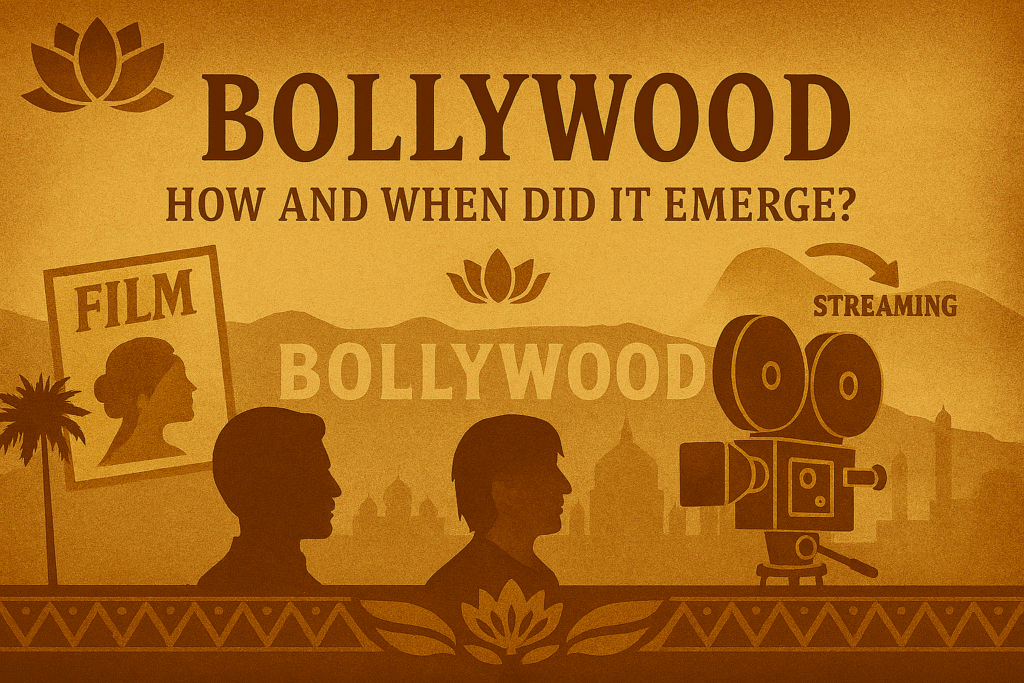
Have you ever wondered what is Bollywood? This post will take you back to the roots of India’s Hindi film industry.
Bollywood is more than just a film industry — it’s the heartbeat of Indian cinema that began over a century ago in Mumbai.
Today, the world knows it as Bollywood — a place where stories, music, and colours blend into cultural magic. In this post, we’ll explore how Bollywood started, when the term “Bollywood” emerged, and how it evolved into the global symbol of India’s creative spirit.
–––– ✦ ✦ ✦ ––––
In This Post:
–––– ✦ ✦ ✦ ––––
What Is Bollywood?
When someone asks, “What is Bollywood?”, the simplest answer is — it’s India’s Hindi film industry, based in Mumbai. But Bollywood is far more than a place or an industry; it’s a cultural heartbeat that has shaped India’s identity for more than a century.
From soulful songs to grand narratives, Bollywood reflects the dreams, struggles, and emotions of millions.
The term Bollywood represents the Hindi-language film industry that produces the largest number of movies in the world, surpassing even Hollywood in annual output.
But how did this dazzling world of cinema begin? To understand that, we must trace the origin of Bollywood cinema and how it grew through the decades.
–– ✦ ✦ ––
How and When Did Bollywood Emerge?
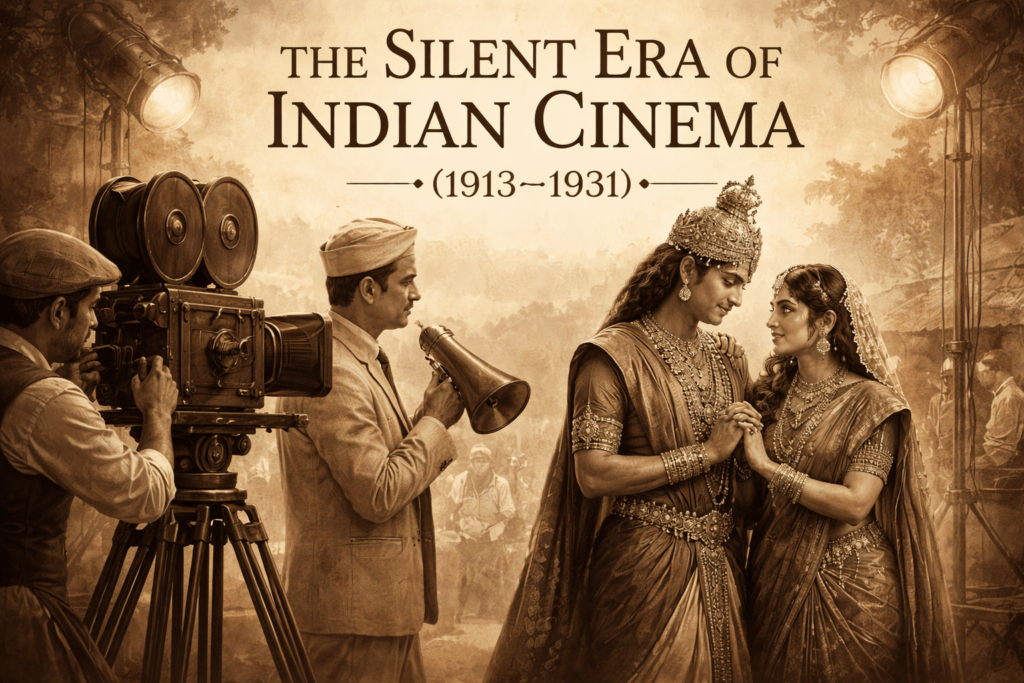
The origin of Bollywood cinema dates back to the early 20th century, when India’s first full-length feature film, Raja Harishchandra (1913), was released by Dadasaheb Phalke — often called the Father of Indian Cinema.
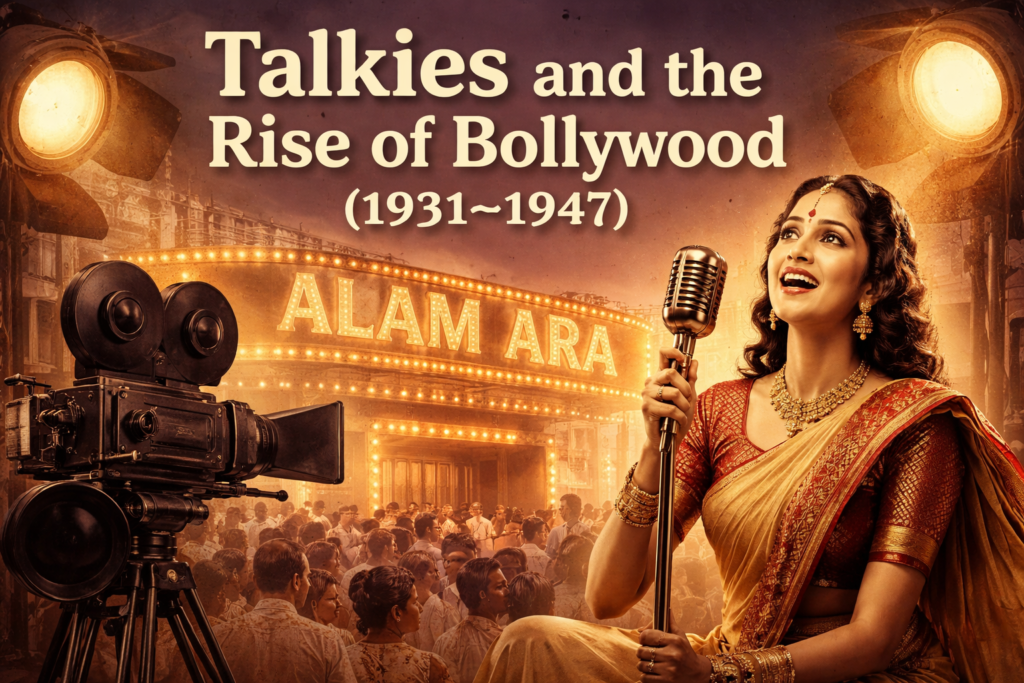
From the silent era to the talkies, Bollywood’s evolution through the decades mirrors India’s social and political transformation.
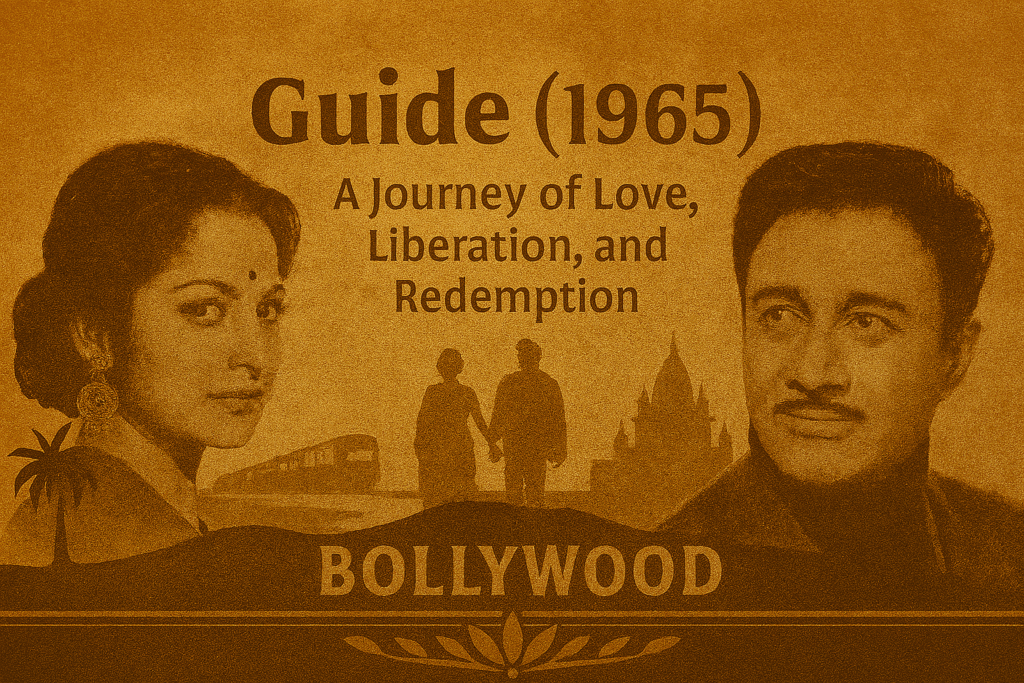
In the 1930s and 1940s, films became a voice of cultural awakening. The 1950s ushered in what’s often called the Golden Age of Hindi cinema, with classics like Mother India and Pyaasa.
By the 1970s, the rise of the “angry young man” archetype reflected urban unrest, while the 1990s brought romance, global appeal, and modern production techniques. In essence, how Bollywood started is also how modern India began telling its story to the world.
–– ✦ ✦ ––
What Was It Called Before “Bollywood”?
Before the catchy portmanteau “Bollywood” became popular in the 1970s, India’s Hindi film industry was simply called Hindi cinema or Bombay cinema, referring to its base in Bombay (now Mumbai).
The word Bollywood was inspired by Hollywood, though some critics initially resisted the name, arguing it implied imitation.
Over time, however, it became a badge of honour — symbolizing India’s unique storytelling tradition fused with global cinematic techniques.
Is Bollywood the Same as Indian Cinema?
Not exactly. Bollywood refers specifically to Hindi-language films produced mainly in Mumbai. Indian cinema, on the other hand, includes regional industries like Tamil cinema (Kollywood), Telugu cinema (Tollywood), Malayalam, Kannada, Bengali, and many others.
While Bollywood dominates globally, regional film industries often experiment more with themes and realism.
Together, they form the mosaic of India’s film industry, showcasing diversity in language, culture, and storytelling.
–– ✦ ✦ ––
Why Bollywood Matters Today
In a digital era of streaming platforms, Bollywood’s evolution continues. It’s no longer confined to Indian audiences — its influence can be seen in music videos, fashion, and even Hollywood collaborations.
More importantly, Bollywood remains a mirror to Indian society — exploring themes like gender, identity, politics, and migration. It’s both a record of India’s past and a vision of its future.
–– ✦ ✦ ––
Legacy & Global Reach
Bollywood’s global presence developed gradually over time. In its early decades, Hindi cinema largely reached audiences in the Indian subcontinent and among diaspora communities, but in later years it began to connect emotionally with viewers worldwide. Seen in a broader historical context, this growth parallels the period when Hollywood, during the 1930s–1950s, was defining global standards of filmmaking: The Golden Age of Hollywood (1930s–1950s).
–– ✦ ✦ ––
Conclusion
So, what is Bollywood? It’s not just cinema — it’s a century-long dialogue between art and emotion, between India and the world.
From how Bollywood started in the early 1900s to its evolution through the decades, the industry continues to reinvent itself while keeping its heart rooted in storytelling. Whether you see it as entertainment or cultural expression, Bollywood remains one of the world’s most influential film industries — proudly Indian, yet universally human.
🎞️ Continue the Journey:
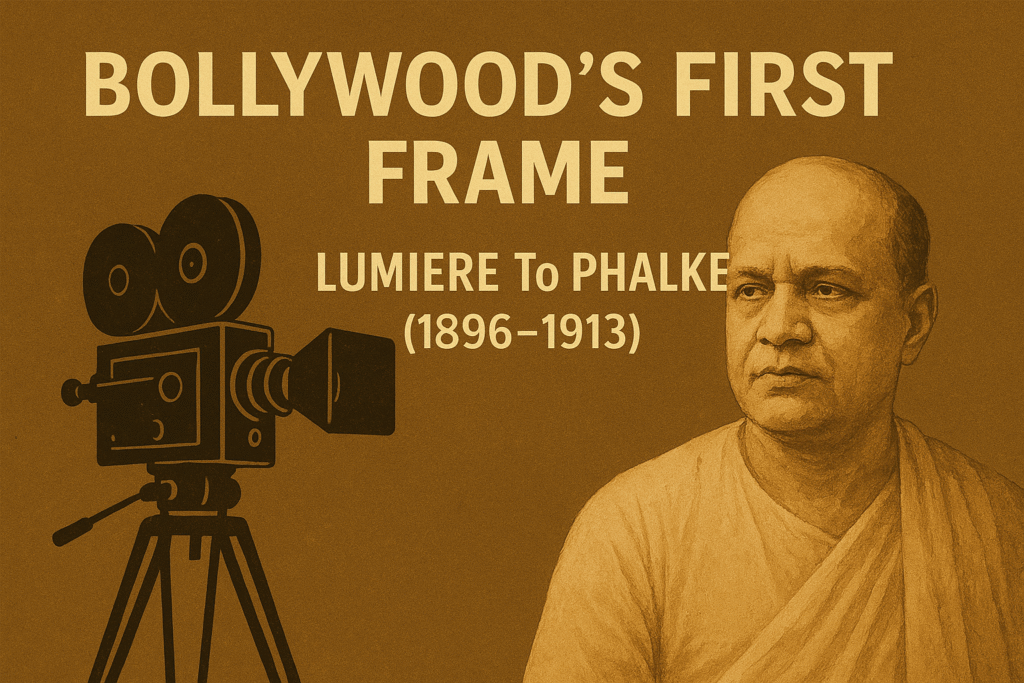
Now that you know how the term “Bollywood” came into being, step back in time to explore how India’s cinematic story actually began — from the Lumière Brothers’ first show to Dadasaheb Phalke’s pioneering creation. Read the post here: 👉 Read “Bollywood’s First Frame: Lumière to Phalke (1896–1913)”
–– ✦ ✦ ––
Your Questions, Our Answers: Discover Bollywood More Deeply
Bollywood isn’t just a film industry — it’s the cultural heartbeat of India, bringing together audiences worldwide through its colors, music, and emotions. The following questions and answers will help you understand Bollywood’s journey — from its origins and evolution to its global identity.
–– ✦ ✦ ––
Frequently Asked Questions About Bollywood’s Origin and Evolution
Before we wrap up, here are some frequently asked questions that help clarify what Bollywood truly represents — its name, its global influence, and how it continues to shape Indian cinema even today.
Q1. What is Bollywood?
Ans: Bollywood is India’s Hindi-language film industry based in Mumbai, known for producing the largest number of movies in the world. When people ask “What is Bollywood?”, they’re really asking about a unique blend of art, music, drama, and storytelling that has shaped Indian culture for over a century. It’s the heart of India’s entertainment world, often called the emotional pulse of the nation.
Q2. How did Bollywood start?
Ans: Bollywood started in the early 1900s, with Dadasaheb Phalke’s Raja Harishchandra (1913) — India’s first full-length feature film. This marked the origin of Bollywood cinema, which grew through silent films, black-and-white classics, and the Golden Age of the 1950s. Over time, Bollywood evolved into a massive cultural industry combining traditional Indian storytelling with global cinematic techniques.
Q3. What was Bollywood called before it got its name?
Ans: Before the term “Bollywood” became popular in the 1970s, India’s Hindi film industry was simply known as Bombay cinema or Hindi cinema. The name Bollywood was inspired by Hollywood, reflecting its global ambition — but it also symbolizes the evolution of Bollywood through the decades, from regional art to international fame.
Q4. Is Bollywood the same as Indian cinema?
Ans: No, Bollywood is just one part of Indian cinema. It refers specifically to Hindi-language films made mostly in Mumbai. Indian cinema also includes other regional industries such as Tamil (Kollywood), Telugu (Tollywood), Malayalam, and Bengali cinema. Together, they form India’s film industry, one of the most diverse and creative in the world.
Q5. How has Bollywood evolved over the years?
Ans: The evolution of Bollywood through the decades reflects India’s own journey. From the patriotic themes of the 1940s to the romantic musicals of the 1990s and the socially aware films of today, Bollywood has constantly reinvented itself. Technological innovation, digital streaming, and global collaborations have further transformed how Bollywood tells stories to audiences worldwide.
–––– ✦ ✦ ✦ ––––
Further Reading: Explore More About Bollywood
Before you go — if you’d like to explore more authentic sources and perspectives beyond The Reel Retro, check out the curated links below.
💡 Recommended External Resources:
- Wikipedia: Bollywood – A comprehensive overview of Bollywood’s origins, development, and cultural impact.
- The Guardian: The Rise of Bollywood – Insightful articles on Bollywood’s impact and evolution.
🔖 Attribution Note: These external sources open in new tabs and are for reference only. All rights belong to their respective publishers and content owners.
–––– ✦ ✦ ✦ ––––